
Finding the right jewelry welder shouldn’t feel like defusing a bomb. But with laser systems, pulse arc units, and dozens of brands all claiming to be the best, it kind of does.
Your situation matters here. You might be a bench jeweler upgrading your shop. Maybe you’re a permanent jewelry artist building your first kit. Or you could be a repair specialist tired of heat damage on delicate pieces. No matter where you stand, the machine you pick will shape the quality of every weld you make going forward.
The US market is loaded with options at every price point. Not all of them deserve your money.
This breakdown compares the top 10 jewelry welders available in the USA across specs, real-world usability, and honest value. Use it to make a smart call — no guesswork needed.
| Brand / Model | Price | Key Strength | Best For |
|---|---|---|---|
| MaxWave QCW Series | $2,900–$5,500 | QCW precision welding | Jewelry repair workshops |
| Sunstone mPulse 2.0 | $5,500–$6,500 | High precision control | Pro jewelry studios |
| Sunstone Zapp Plus 2 | $1,949–$2,800 | Best value 1–30J range | Growing workshops |
| Pepe Tools Helix | $1,500–$2,000 | Ultra-light portable | Mobile / beginners |
| LaserStar 993 iWeld | $17,500 | Ultra high precision imaging | Advanced repair shops |
| LINKED Luxe | $2,399 | All-in-one starter kit | Beginners |
| Amada CD-V | $10,000–$15,000+ | Industrial reliability | OEM / mass production |
| Orotig Evo X | $25,000–$35,000 | High-power EU precision | Luxury workshops |
| Sisma LM-T250 | $8,000–$10,000 | Long lifespan + stability | Heavy-duty use |
| Gesswein | $3,000–$20,000 | One-stop supplier | Full workflow shops |
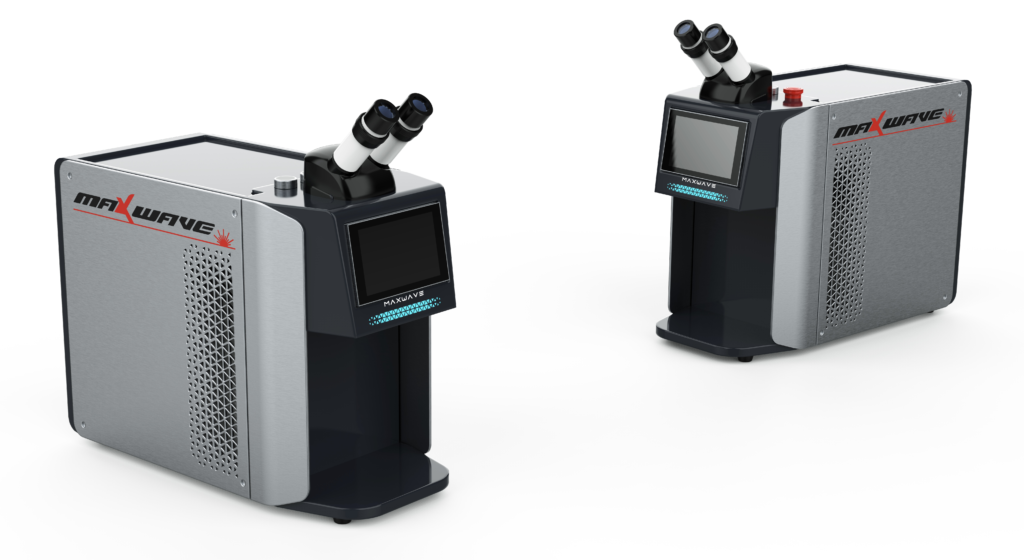
MaxWave QCW — Best Low-Heat Precision Jewelry Welding Machine for Repair & Small Studios
MaxWave QCW is designed for jewelers who need professional welding performance without the cost of oversized industrial systems. Using QCW low-heat precision technology, it delivers cleaner welds with less discoloration and reduced risk of damaging delicate jewelry.
The machine is suitable for chain repair, ring resizing, prong repair, and small custom jewelry work.
Key highlights:
- QCW low-heat precision welding
- Compact, studio-friendly design
- Adjustable pulse control
- Works on gold, silver, platinum, and stainless steel
Best for:
- Beginner jewelers entering laser welding
- Jewelry repair workshops
- Small jewelry studios
- Permanent jewelry businesses
For small studios looking to upgrade efficiency without a massive investment, MaxWave QCW offers a practical balance of precision, simplicity, and affordability.

Sunstone Orion mPulse 2.0 — Best Professional Jewelry Laser Welder Overall
Sunstone has logged over 100 million documented welds on the Orion platform since 2006. That number speaks for itself.
The mPulse 2.0 permanent jewelry welder is the sweet spot in the lineup. It runs 1–30 joules, with 0.5J precision steps below 15J. That level of control makes a real difference on 0.5mm spots for fine gold jewelry chains. Tru-Fire technology comes standard on this model — not on the base version. You get 20–30% fewer misfires on delicate work as a result.
Priced at $5,500–$6,500, it sits well below the PRO’s price tag. Yet it covers 90% of professional permanent jewelry jobs. A full studio running 30–50 sessions per day can recover the investment in one to two months.
A few practical details worth knowing:
- Footprint: 18.7 × 18.3 × 10.4 cm, 4 lbs — fits on any bench without fuss
- Stylus: 72-inch redesigned 2024 version, mounts flat or upright for pop-up setups
- Display: 5″ touchscreen with software you can update from a distance
- Warranty: 3 years, which cuts repair costs by about 50% compared to generic alternatives
Plan for electrode swaps every 500–1,000 welds on thin chains. That’s the one recurring maintenance cost. Budget for it. Everything else runs clean and low-maintenance.
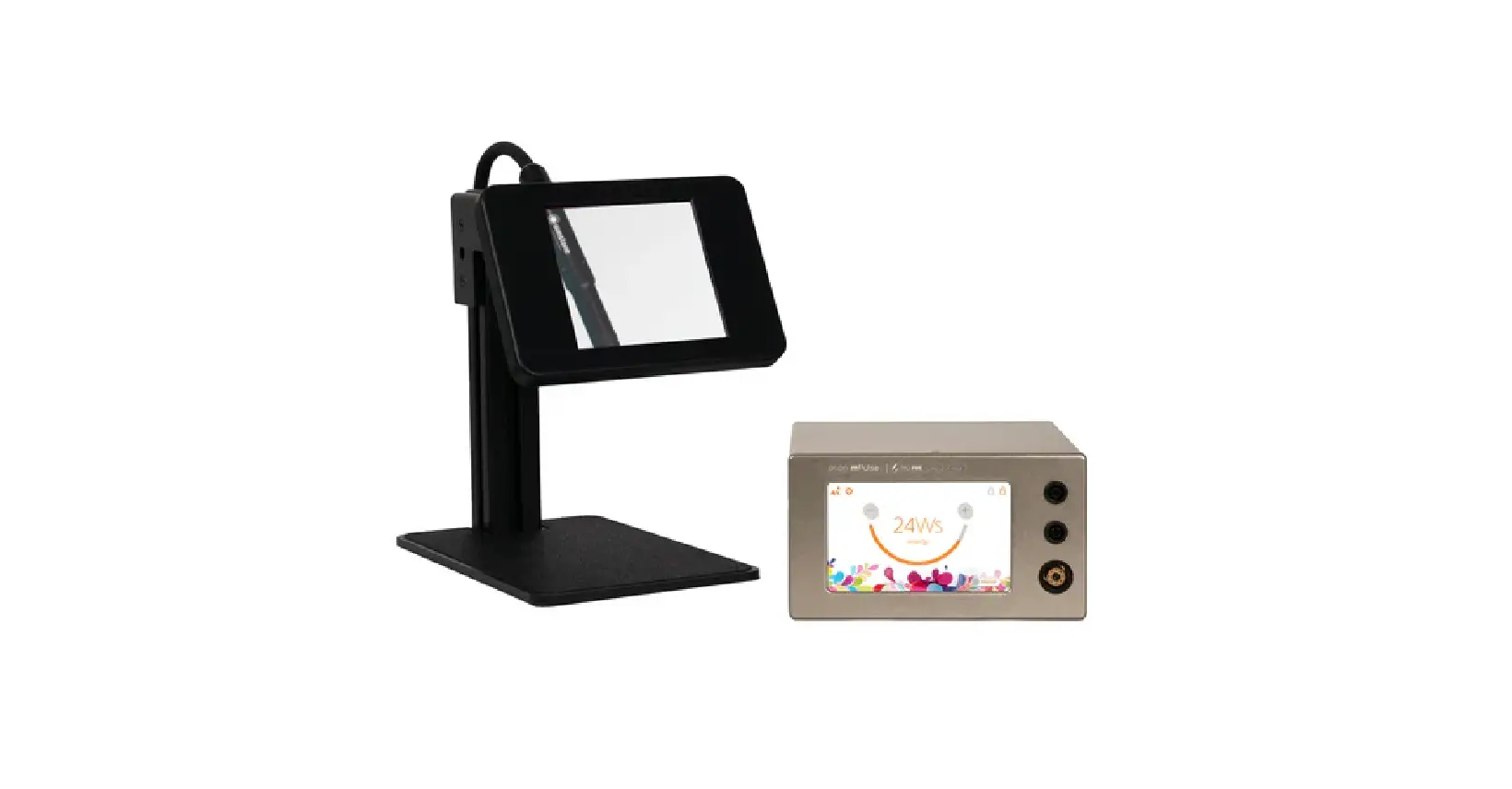
Sunstone Zapp Plus 2 — Best Value Jewelry Welder for Small Business
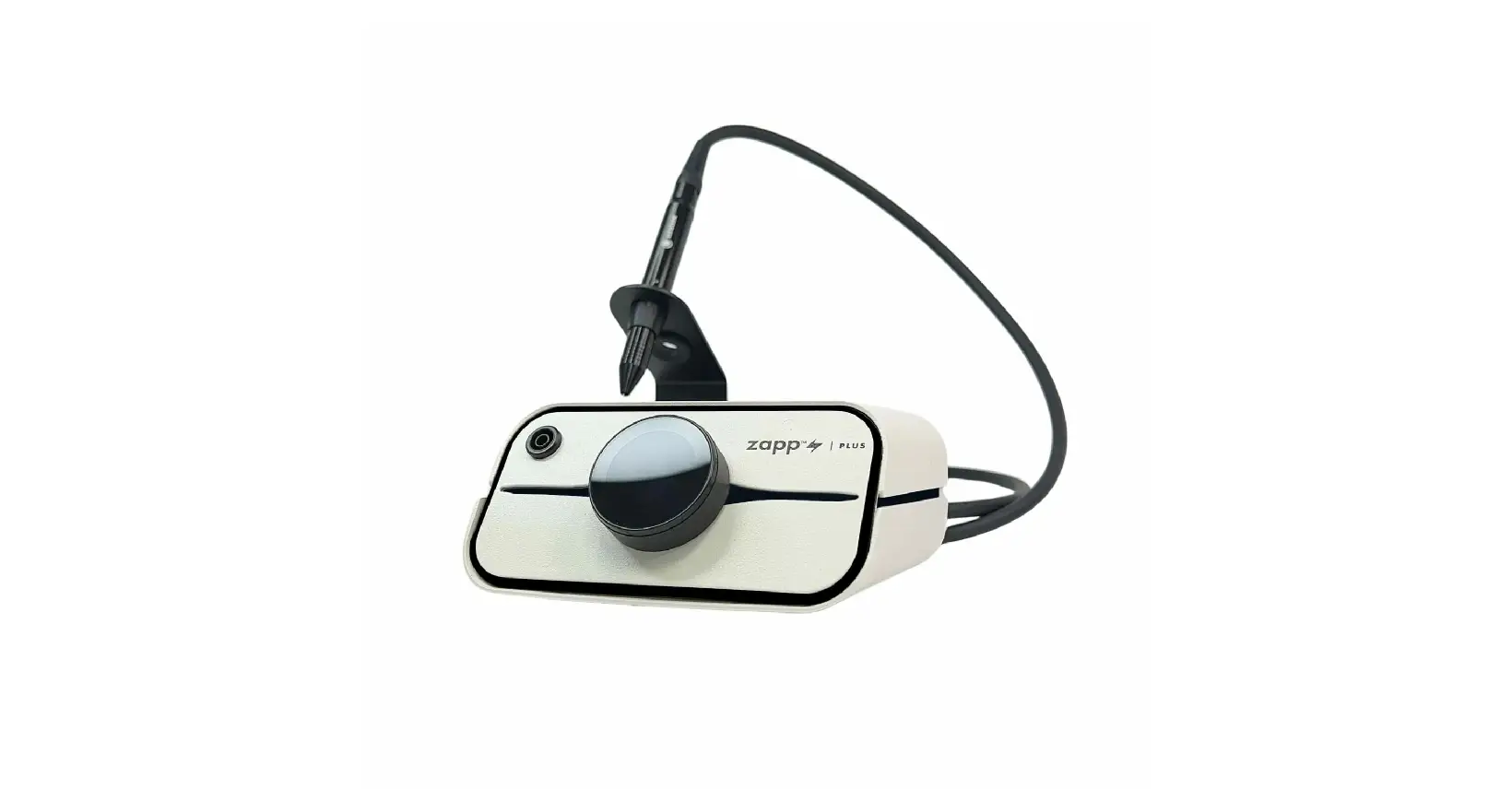
Fits in a handbag. Welds 24-gauge jump rings at 6J. Handles chains thick enough to need 30J. The Zapp Plus 2 jewelry welder is built around a simple idea: don’t make beginners pay twice.
The original Zapp topped out at 10J. That ceiling hits fast once you start taking on heavier chains. The Zapp Plus 2 pushes to 1–30J — triple the range — without tripling the price. Base packages run $1,949–$2,800 depending on configuration. That’s about $1,000 less than the Orion mPulse for the same 30J capability.
The upgraded stylus cuts misfire risk to 0.1%. That number matters a lot at a pop-up event, welding close to skin. Universal 100/230V power means no adapter headaches anywhere you set up.
A few honest trade-offs to know upfront:
- No optics in the base model
- Package pricing can vary, which may catch budget-tight buyers off guard
Every unit ships with free training. It flattens the learning curve fast — most users feel confident within their first sessions.
Zapp Plus 2 vs. Original Zapp — Fast Comparison
| Feature | Zapp Plus 2 | Original Zapp |
|---|---|---|
| Energy range | 1–30J | Up to 10J |
| Stylus misfire rate | ~0.1% | Basic |
| Price (base) | $1,949–$2,800 | $1,699 |
| Best for | Growing studio | Entry level |
Running a small jewelry repair welder setup or a mobile permanent jewelry business? This machine pays for itself. The range, reliability, and included training make it a smart buy at this price point.
Pepe Tools Helix — Top Recommended Starter Jewelry Welder for Permanent Jewelry Artists
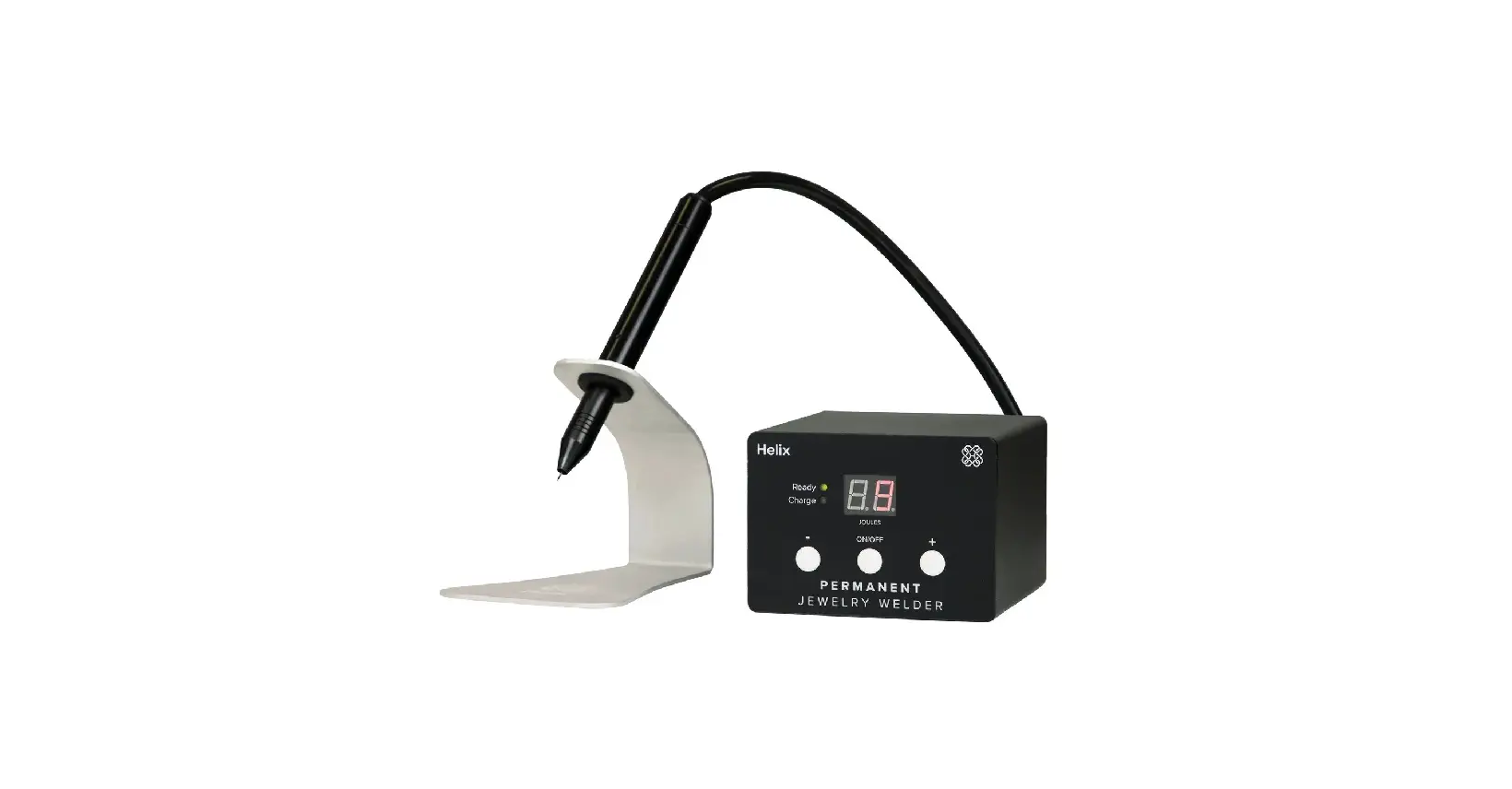
At 0.6 kilograms, the Helix jewelry welder weighs less than most coffee mugs. That’s the first thing worth knowing.
Pepe Tools built this machine for artists who work on the move — pop-up markets, mobile studios, anywhere that isn’t a fixed bench. You get 1–30 joules of power in single-joule increments. A digital readout shows your setting at a glance. Fine gold-filled chains need as little as 1J. Thicker metals push toward 30J. The range handles both without fuss.
Three physical buttons. No touchscreen. That’s a deliberate choice. Fewer accidental setting changes mid-session. Nothing fragile to crack in a kit bag.
The 1mm tungsten electrode puts out spot sizes between 0.5–1.5mm. You can hit clean welds on delicate chains at one weld per second. Argon flows through the included 7-foot hose, keeping oxidation off gold, silver, platinum, and copper.
What’s in the box:
- Helix PJW unit + stylus stand
- 5× 1mm tungsten electrodes
- Protective shade 5 glasses
- 7′ argon tubing + 2 grounding clips
- Quick start guide + Learn-to-Create tutorials
The warranty covers 1 million welds or 3 years — whichever comes first. No subscription. No hidden fees. It’s US-made, and you get a direct phone line at +1 405-745-4054.
Priced around $1,500–$2,000, it sits in line with similar entry-level units. The real edge is portability — 70–80% lighter than comparable welders. Plus, the warranty covers 5–10× more welds than the industry standard. That’s a real gap.
One note: bring your own argon tank and regulator. The kit doesn’t include them.
LaserStar 993 iWeld Desktop — Most Trusted Brand in USA Jewelry Laser Welding
Sixty-nine years in the business. That’s not a marketing line — LaserStar has been running since 1957. That makes them the longest-running Nd:YAG laser brand in US jewelry welding.
The 993 iWeld Desktop jewelry welder is their fifth-generation flagship model. At $17,500, it’s the priciest machine on this list. The specs back up that price tag: 11 kW peak power, 180J max pulse energy, and spot sizes down to 0.2mm. No other benchtop machine comes close to those numbers.
You get an integrated 4K 8MP camera, 15x magnification, and a ClearView stereo microscope. Together, they make micro-repairs — ring sizing, clasp fixes, stone setting welds — real precision work. No more guessing.
Parts ship in 24–48 hours straight from Rhode Island. Annual service costs $1,500–$2,500. That’s 20–30% less than imported alternatives.
Best for: High-precision repair workshops running 24/7 production where downtime is not an option.
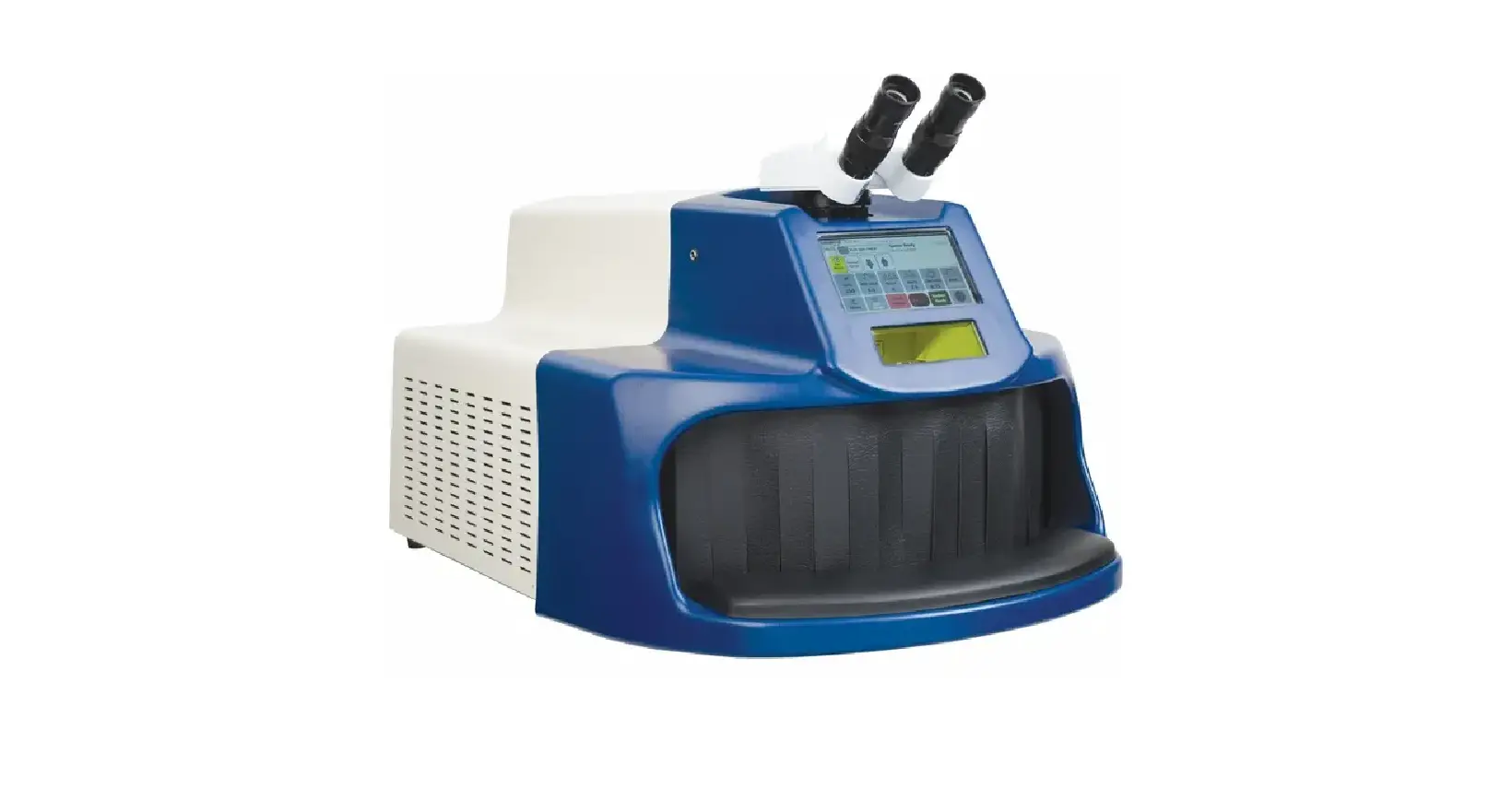
LINKED Luxe — Best Entry-Level Jewelry Welder for Beginners
Twelve pounds. $2,399. You get everything to start welding permanent jewelry tomorrow.
The LINKED Luxe was designed with one clear goal: beginners shouldn’t need to spend $5,000 just to try this craft. Starter kits come equipped — welder included. Payment plans bring the entry cost down even further. That makes it the most accessible price on this entire list.
It handles basic pulse arc welding on standard chains and small links with no trouble. Setup is intuitive. The learning curve is short. LINKED also bundles online and in-person training. You get both welding basics and business fundamentals covered. That’s a solid advantage for anyone starting from scratch.
The trade-offs are real, though. Power drops off fast on thicker materials. High-volume studios will hit the ceiling sooner than expected.
Best for: Part-time artists testing the craft, or entrepreneurs who want to start small and upgrade once the business picks up.
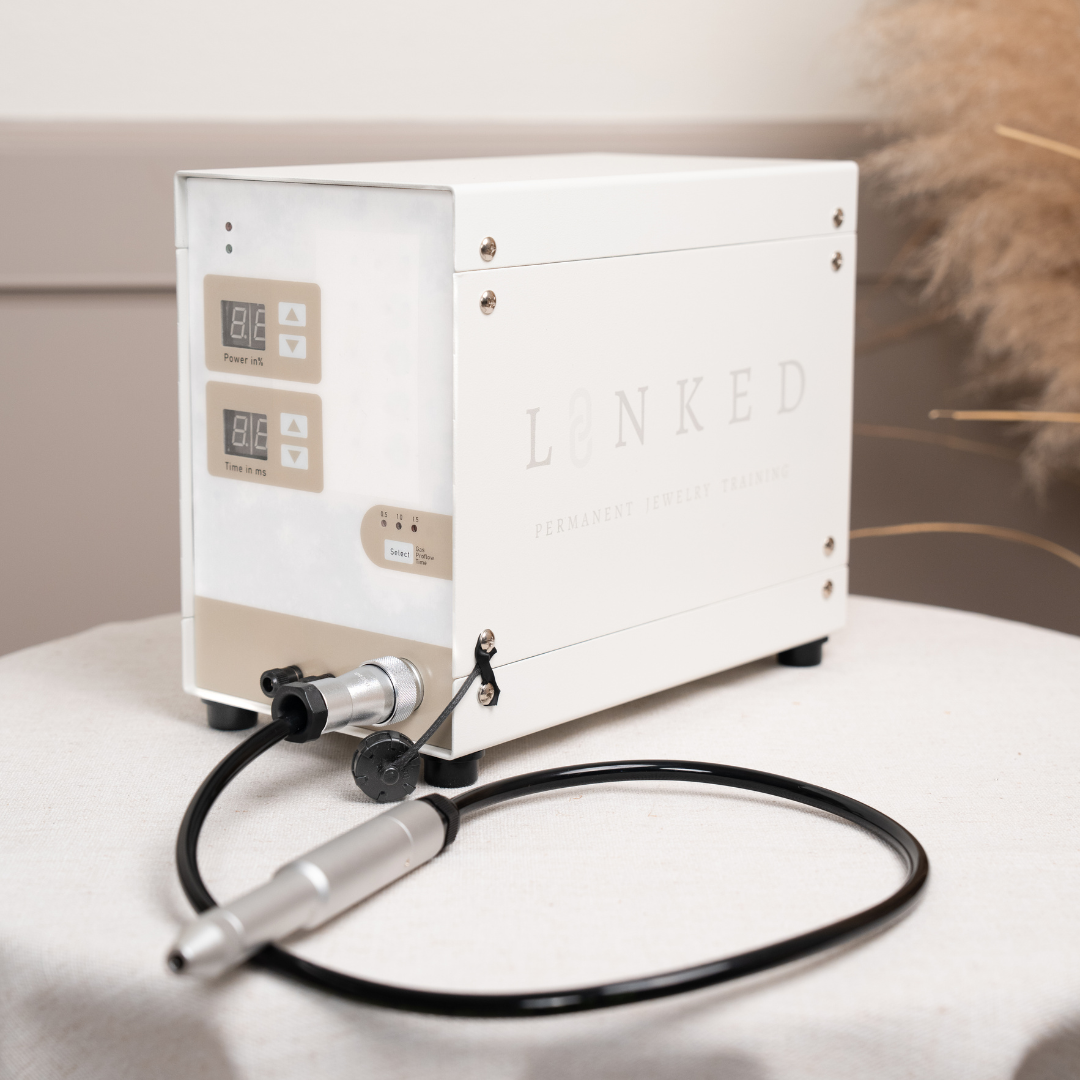
Amada Weld Tech — Best Industrial-Grade Jewelry Welding Equipment
Amada Weld Tech doesn’t make machines for pop-up markets. They make machines for factories.
The company started in the 1950s with microelectronic welding. That industrial background shows up clearly in the CD-V Series Capacitive Discharge Welder, now built for jewelry repair. Here’s what you get:
- Dual-pulse output
- Ultrafast rise time
- Eight programmable schedules
- Heat-affected zones under 0.1mm on gold
That last spec matters. Most jewelry welding equipment brands don’t publish that number. They can’t match it.
The CD-V runs on standard wall power (90–240 VAC). It weighs 22 lbs and fits on a single-operator bench. Plus, their Monrovia, CA technical center has 11 application labs. You can test your exact weld type before you buy.
Fiber laser systems round out the lineup — 300W to 1kW — with machine vision and multi-axis automation. These are built for OEM-scale production.
Best for: High-volume jewelry OEMs or custom shops that need 24/7 uptime and near-zero defect rates. Small studios will likely find this too much — unless your repair volume justifies the $10,000–$15,000 starting price.
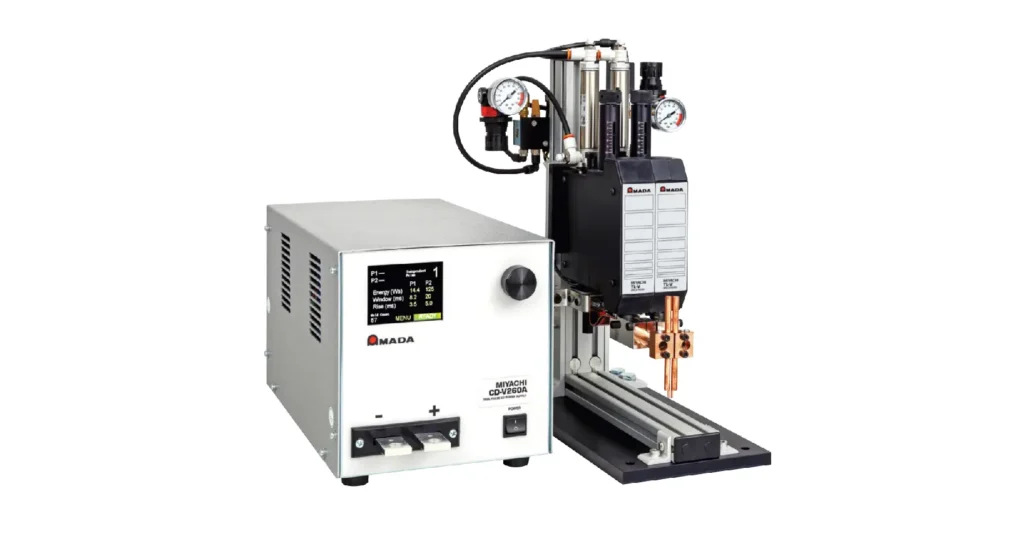
Orotig Evo X (USA) — Best European-Origin Jewelry Laser Welder Available in US Market
Italian engineering landed in Louisiana. The US jewelry market has not been the same since.
Orotig distributes the Evo X jewelry welder stateside through Stuller Inc. You get a real US channel with parts inventory, tech support under 24 hours, and a 3-year warranty honored through a local partner. No chasing overseas suppliers. No waiting weeks for replacement parts.
The specs are serious:
- 225–250J pulse energy
- 9–10 kW peak power — close to double the 4–7 kW average among comparable US brands
- 0.1mm spot precision — most US fiber lasers stop at 0.2mm
The patented SoftSpot technology delivers spatter-free welds on platinum and silver. It does this without touching nearby stones. That level of control is rare at this price range.
The 27.2L welding chamber comes with adjustable LED lighting. That matters for reflective metals — white gold, silver, platinum. Fixed-lighting chambers lose accuracy on these surfaces. This one does not.
Price runs $25,000–$35,000. That is a serious investment. For high-end repair studios running 8–12 hour cycles on stone-set platinum work, though, the output quality stands above everything else on this list. You are paying for consistency, precision, and zero rework.
Best for: Professional goldsmiths with European tool experience, or custom studios where reflective-metal precision justifies the price.
Sisma LM-T250 — Best High-Durability Jewelry Welding Machine for Fabrication
Ten-plus years of documented runtime. That’s the number Sisma users keep citing. It’s also the strongest case for the LM-T250 in any fabrication shop running long shifts.
The secret is structural. Sisma built this jewelry welder around a solid aluminum resonator — a global first in jewelry lasers. That design cuts vibration and failure by 50% compared to standard resonator builds. Air-cooling does the job here. No water-cooled systems like most competitors use. That alone pushes operational lifespan to 10+ years, versus the typical 5–7.
You get two power modes built for real work:
– 1200W — handles thick gold, silver, and platinum sheet work from 1–3mm
– 200W — handles fine repairs under 0.5mm
The NanoSpot option brings focal diameter down to 0.05mm. That’s a precision level the base Sunstone lineup can’t reach without paid upgrades.
Pricing sits at $8,000–$10,000. That’s $1,000–$2,000 less than comparable Sunstone configurations. You also get 9kW peak power, while Sunstone tops out at 5–7kW.
Annual maintenance costs $500–$1,000. Optics cleaning runs about $200 every six months. Add filters and calibration on top of that. Downtime stays under 1% per year.
Best for: High-volume fabrication studios running 8+ hour shifts. Long-term durability and dual-mode versatility matter more here than portability.
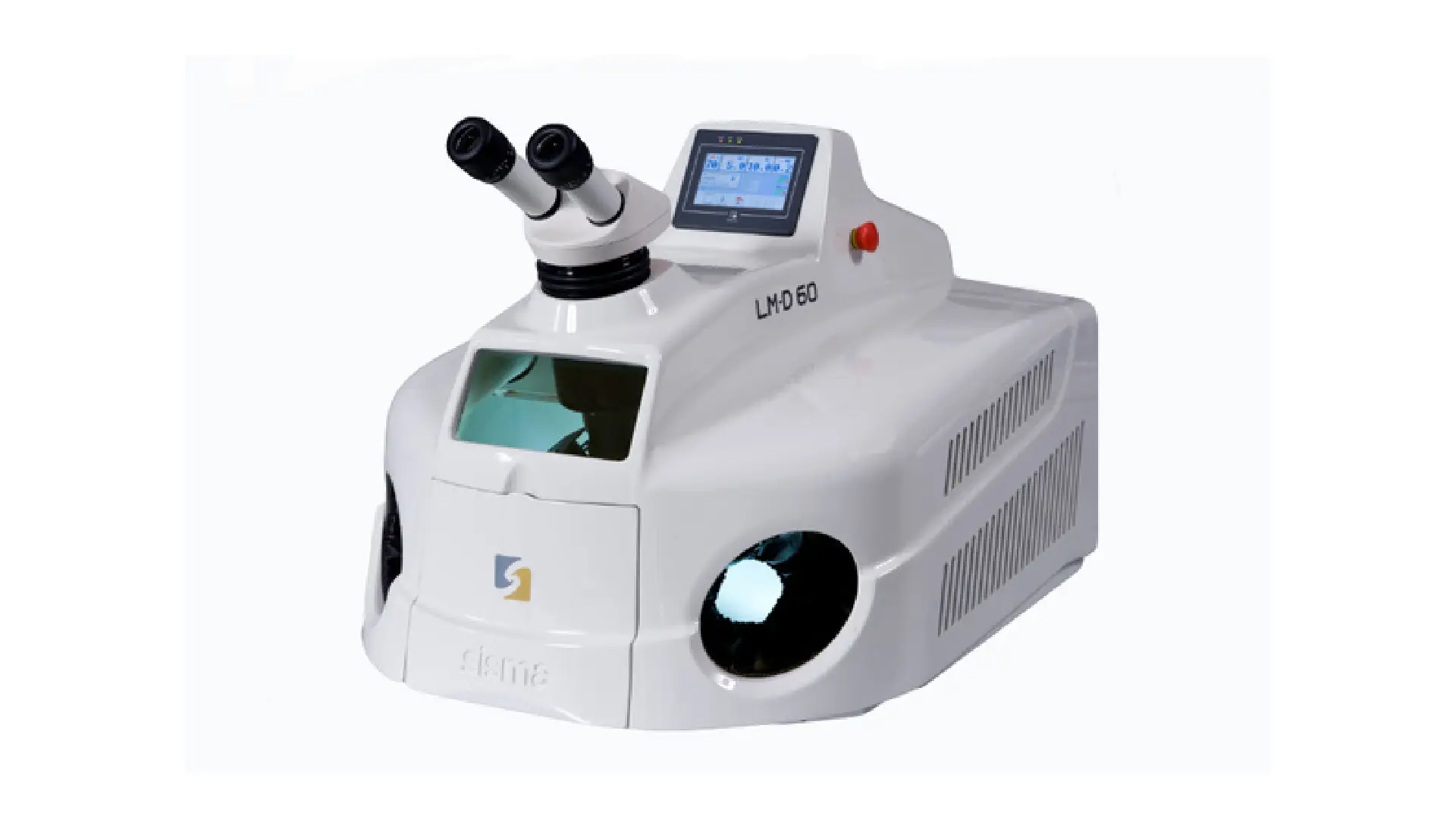
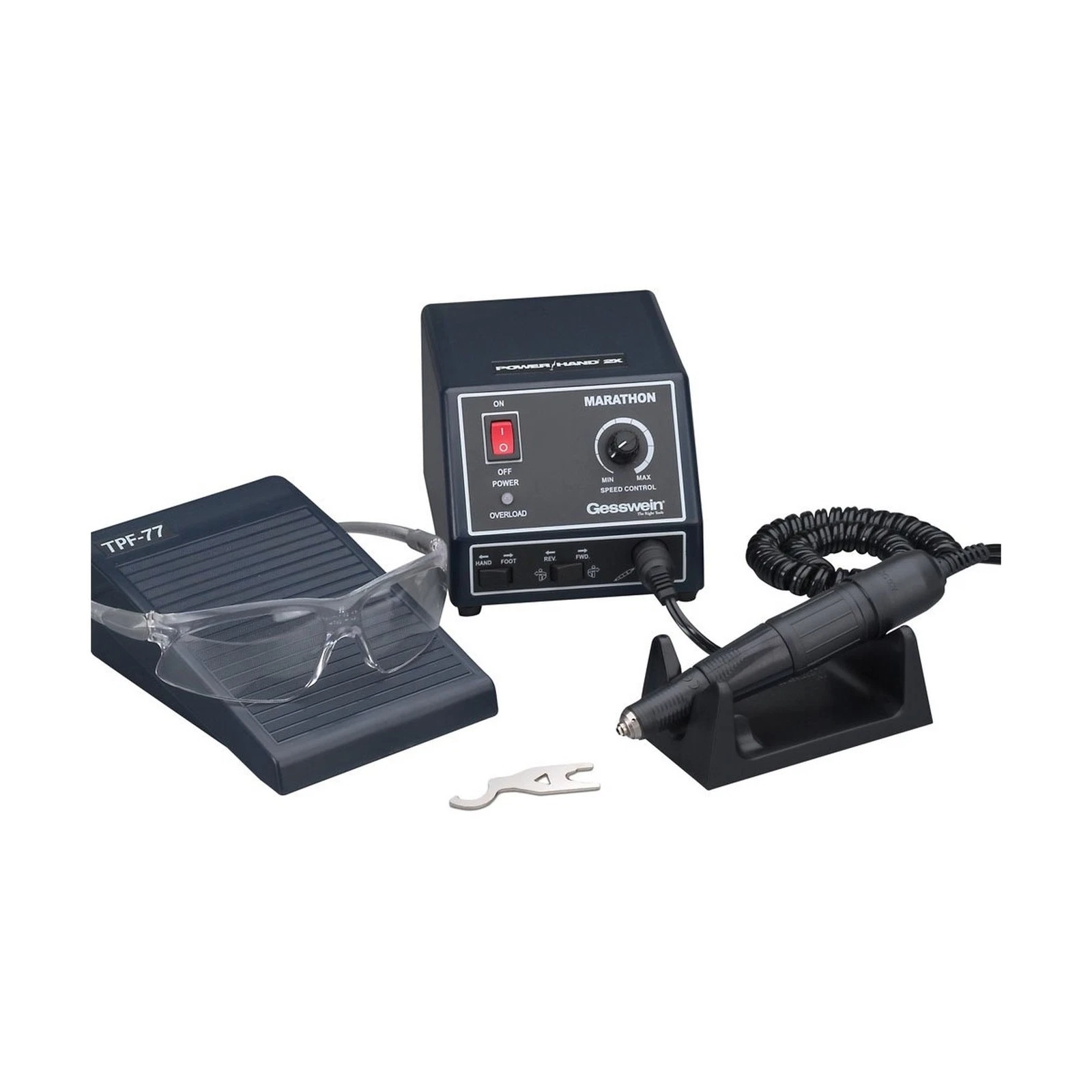
Gesswein — Best Full-Service Jewelry Welding Equipment Supplier in USA
Gesswein has been based in Bridgeport, CT since 1914. They don’t manufacture machines — they select and stock the best ones for jewelry work.
The lineup includes Sisma laser welders, the in-house Gesswein U6, and the PUK 6 micro TIG — all built for jewelry use. One order covers the welder, polishing supplies, abrasives, and wires. No dealing with five separate vendors.
The numbers make sense:
- US inventory ships in 1–2 weeks vs. 4–8 weeks from overseas
- Bundled logistics cuts 15–25% off shipping costs
- US-based training delivers 10–15% ROI by reducing errors on the job
Best for: Shops that want one-stop sourcing, local support, and 30-day returns — no import hassle.
How to Choose the Best Jewelry Welder: Key Buying Factors
The wrong machine doesn’t just waste money — it wastes every hour you spend fighting welds that should be clean.
Six factors matter when comparing jewelry welding equipment:
Power and pulse specs set the ceiling on what you can weld. Laser peak power of 11kW handles thick gold and platinum. Pulse energy adjustable in 0.5J steps — like the Orion mPulse 2.0 — gives you precise control on delicate silver jewelry welding. For a pulse arc welder jewelry setup, 80A delivers clean joints without overheating the surrounding metal.
Metal compatibility shapes the decision fast. Platinum and titanium need tight pulse duration control. This keeps distortion low. Intricate silver work requires spot precision under 0.5mm.
Argon shielding isn’t optional for serious shops. It cuts oxidation risk by 80–90% on gold, platinum, and titanium. Plan $500–$1,500 upfront for an integrated system. Add $20–$50/month in argon costs on top of that.
US-specific support matters more than most buyers admit. Look for under-24-hour service callbacks. Verified parts availability above 90% is a must.
Your user type decides the rest:
| Who You Are | What You Need |
|---|---|
| Permanent jewelry artist | Portable jewelry spot welder, 80A pulsed, fast setup |
| Repair technician | Bench top jewelry welder, 0.5J step precision, 99%+ uptime |
| High-volume studio | 11kW+, 50Hz frequency, batch-capable system |
Match the machine to your bench — not someone else’s.
FAQ: Top Questions About Jewelry Welders in the USA
Real questions from real bench jewelers — answered straight.
What’s the best jewelry welder for beginners?
Start with a benchtop laser welder, not a pulse arc. Sunstone makes it easy — their starter kits include training, chain, and argon setup in one package. Units in the 100–200W range cover 90% of gold and silver work. You won’t feel overwhelmed in your first sessions.
Is laser welding better than soldering?
Yes. Welded joints are 2–3× stronger than soldered ones. You get less heat, no distortion, and cleaner results on delicate pieces. Permanent jewelry artists report welded jump rings lasting far longer than bent-closed alternatives. The gap is hard to ignore once you see it.
Do I need argon gas?
Yes — skip it and you lose 20–30% of weld strength on gold, silver, and platinum. That’s a real drop. Without shielding gas, oxidation appears fast and ruins the finish.
What metals can a jewelry welder handle?
Gold (all karats and alloys), silver, platinum, and titanium. Know your alloy before you start. Each one reacts to pulse energy in its own way, so what works on 14k gold won’t work the same on platinum.
Handheld or benchtop?
Handheld suits pop-up events. Benchtop gives you the precision you need for repairs. Pick the one that fits where you do most of your work.
Where to buy in the USA?
– Sunstone Welders — sunstonewelders.com, Utah-based, full support line
– Gesswein — Bridgeport, CT, tools and service in one place
– Dynalaserstech — Dorchester Center, MA
Conclusion
Choosing the right jewelry welder isn’t just a purchasing decision — it’s a commitment to your craft.
A permanent jewelry artist running weekend pop-ups has different needs than a bench jeweler repairing heirloom pieces. A studio owner scaling production needs something else entirely. Whatever your situation, the machines on this list cover the best the US market has in 2025. Sunstone and LaserStar dominate the professional tier. Pepe Tools and LINKED Luxe keep entry-level affordable and accessible. Want precision-engineered performance with strong long-term value? MaxWave earns a serious look before you lock in your budget.
Here’s what matters most: match the machine to your workflow, not someone else’s wishlist.
So narrow it down to two or three options. Request a demo if you can. Then pull the trigger before Q4 price shifts hit. Your next great piece of work is waiting on the right tool.

0条评论